Navajo rug symbols meanings

History and cultural significance of Native American rug weaving

Navajo rugs are known for their intricate designs and patterns that often hold deep cultural significance. The symbols used in these rugs can range from geometric shapes to animals and plants, each carrying its own unique meaning.

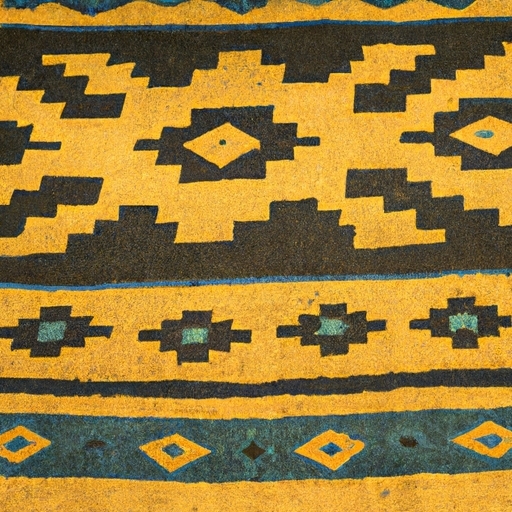
One of the most common symbols found in Navajo rug designs is the diamond, which represents the sacred number four and symbolizes harmony and balance. Another frequently used symbol is the spiral, which signifies life's journey and growth.

Animals such as birds, horses, and bears are also commonly depicted in Navajo rugs, each with their own symbolic meanings. Birds represent freedom and communication, while horses symbolize strength and power. Bears are seen as protectors and symbols of courage.

Plants like corn and squash are often featured in Navajo rug designs as well, representing fertility, abundance, and prosperity. These symbols reflect the importance of agriculture in Navajo culture.

By understanding the meanings behind these symbols, one can gain a deeper appreciation for the artistry and craftsmanship that goes into creating Navajo rugs. Each design tells a story and carries with it centuries of tradition and cultural significance.


History and cultural significance of Native American rug weaving

Materials used in traditional Native American rug making

Navajo rugs are rich in symbolism. Diamond, cross, lightning bolt, water bug - each holds special meaning. The diamond represents the four sacred mountains of the Navajo people. It signifies protection and balance. The cross symbolizes the four cardinal directions and the interconnectedness of all things. It is a powerful symbol of unity and harmony. The lightning bolt represents energy and transformation. It is a symbol of power and strength, as well as a reminder of the forces of nature. The water bug symbolizes adaptability and resilience. It teaches us to go with the flow and embrace change.

Each of these symbols has its own unique significance in Navajo culture, passed down through generations in their intricate rug designs. They serve as reminders of the Navajo worldview and their connection to the natural world around them. When you see these symbols woven into a Navajo rug, take a moment to appreciate the depth of meaning behind them and the stories they tell about this ancient culture.

Traditional Native American rugs

Native American weaving traditions

Different styles and designs of Native American rugs

Navajo rugs are rich in symbolism. The patterns and designs woven into these beautiful textiles hold deep cultural significance for the Navajo people. Each symbol tells a story, representing aspects of their history, beliefs, and way of life.

One commonly seen symbol is the diamond shape, which can represent the four sacred mountains that surround the Navajo homeland. Another important symbol is the water bug, which symbolizes abundance and fertility. These symbols are passed down through generations, preserving the traditions and values of the Navajo culture.

Other symbols found in Navajo rugs include arrows, feathers, and lightning bolts. Arrows signify protection and direction, while feathers represent spiritual guidance and connection to nature. Lightning bolts are often associated with power and energy.

The meanings behind these symbols are complex and multidimensional. They serve as a form of communication between the weaver and the viewer, conveying stories and teachings that have been passed down through oral tradition for centuries.

In conclusion, Navajo rug symbols hold great cultural significance for the Navajo people. They not only add beauty to these intricate textiles but also serve as a powerful means of preserving their rich heritage and traditions for future generations to appreciate and learn from.

Techniques and processes involved in creating Native American rugs

Navajo rugs are rich in symbolism. **The** symbols used in these rugs are not just random designs, but they hold deep cultural and spiritual meanings for the Navajo people. Each symbol tells a story or represents a specific aspect of their history or beliefs.

Traditional Navajo rug weaving techniques incorporate these symbols in a meticulous way. **The** weavers carefully choose which symbols to include and where to place them within the design of the rug. This process requires skill, patience, and a deep understanding of the meaning behind each symbol.

Symbols such as the diamond shape, which represents the four sacred mountains of the Navajo homeland, or the water bug motif, symbolizing harmony and prosperity, are commonly found in Navajo rugs. These symbols are woven into the fabric of the rug with precision and care, ensuring that their meaning is preserved for generations to come.

By exploring how these symbols are incorporated into traditional Navajo rug weaving techniques, we can gain a greater appreciation for the artistry and craftsmanship that goes into creating these beautiful pieces. **The** symbolism adds layers of depth and significance to each rug, making them not just decorative items, but also powerful expressions of culture and heritage.

Use of symbolism and storytelling in Native American rug patterns

Navajo rugs are renowned for their **intricate** symbol designs that hold deep cultural significance. These symbols can range from geometric patterns to representations of animals and nature, each carrying its own unique meaning within Navajo tradition.

One example of a famous Navajo rug with intricate symbol designs is the Two Grey Hills rug. This rug features intricate diamond patterns in natural colors, representing balance and harmony in Navajo culture. Another well-known design is the Eye Dazzler rug, which showcases bold, vibrant colors and complex geometric shapes that are said to bring protection and good luck.

The Spider Woman Cross rug is another famous example, featuring a central cross surrounded by spider motifs symbolizing creativity and growth. Each of these rugs tells a story through its symbols, connecting the weaver to their ancestors and the natural world around them.

Overall, Navajo rugs with intricate symbol designs are not just beautiful works of art but also powerful expressions of Navajo culture and spirituality. Their meanings may vary from one design to another, but all carry the rich history and traditions of the Navajo people within their threads.

Impact of commercialization on traditional Native American rug making practices

The impact of Navajo rug symbolism has been profound on modern art and design trends. The intricate patterns and symbols found in Navajo rugs have inspired countless artists and designers to incorporate similar elements into their work.

Navajo rug symbols hold deep cultural significance, representing themes such as harmony, balance, nature, and spirituality. These symbols are often passed down through generations and carry with them a sense of history and tradition.

Incorporating Navajo rug symbolism into modern art and design allows for a connection to the past while also providing a fresh perspective on traditional motifs. This blend of old and new creates unique pieces that resonate with audiences looking for both historical roots **and** contemporary flair.

From fashion to interior design, the influence of Navajo rug symbolism can be seen across a wide range of creative fields. By honoring the rich heritage of these symbols, artists and designers are able to create meaningful **and** visually striking works that speak to a universal audience.

In conclusion, the impact of Navajo rug symbolism on modern art and design trends is undeniable. Its timeless appeal continues to inspire creativity **and** innovation in the world of visual arts.

Yes, there are traditional guidelines and customs that dictate the use of certain symbols in specific contexts or for particular purposes in Navajo rugs.